

Wood burning stove with oven and hotplate
Independent heating, cooking and baking not only increases the cosiness factor of your home, but is also sustainable and energy efficient . Discover our appliances with stove inserts and experience the combination of warmth and cooking pleasure.
Discover suitable products
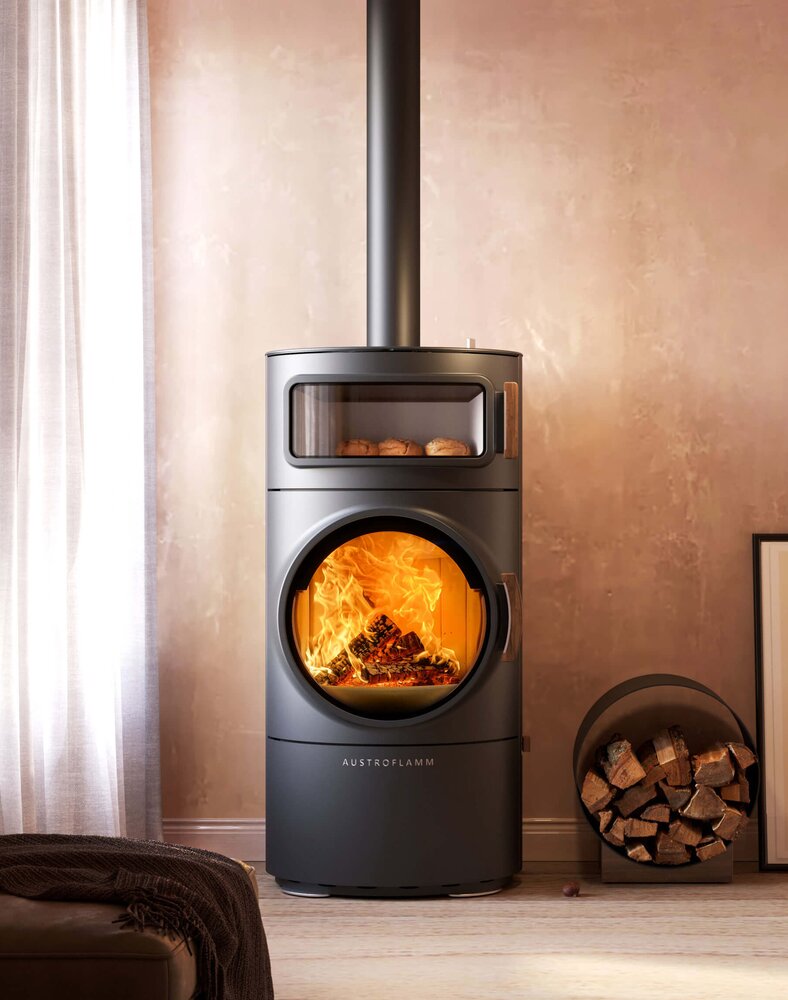
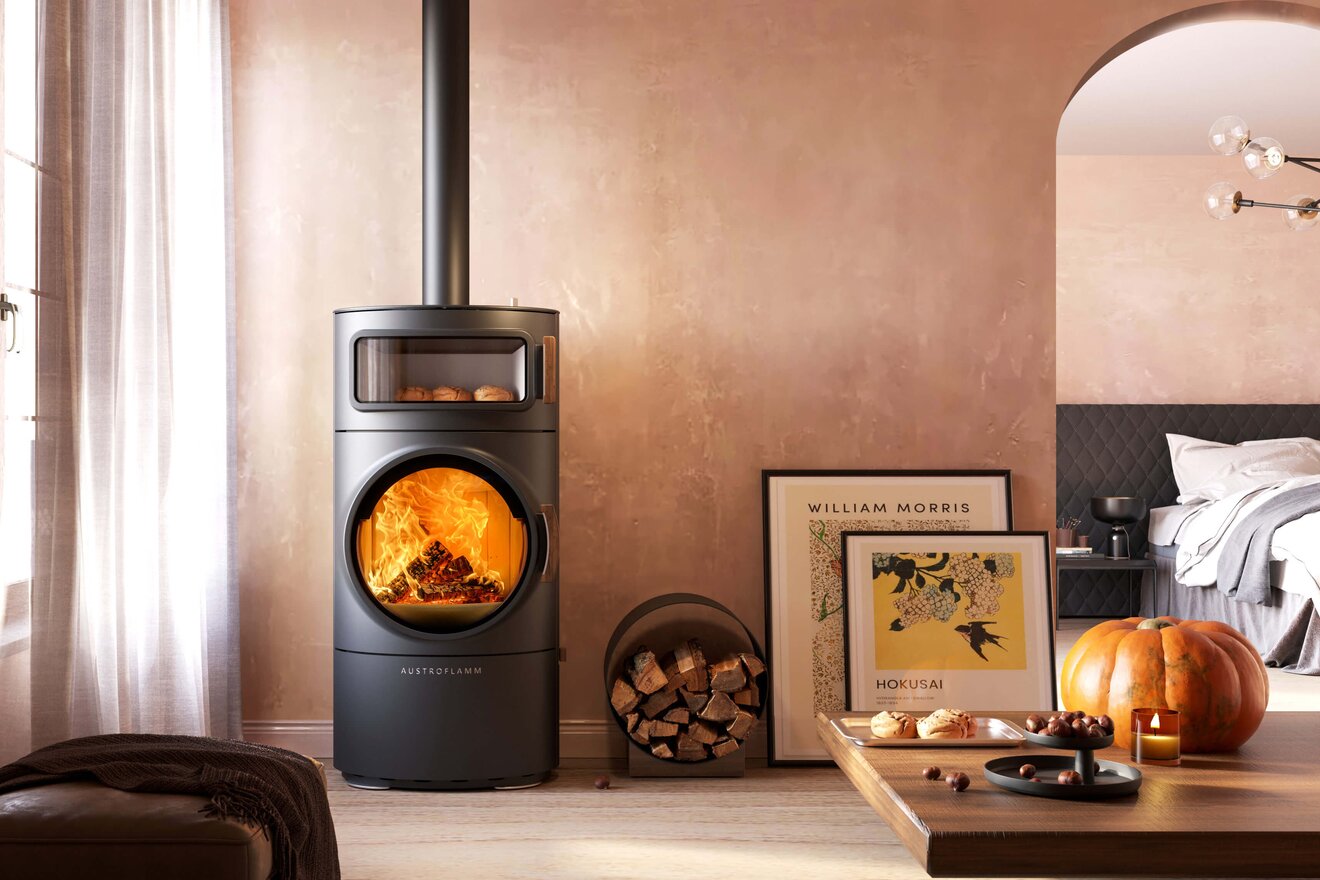
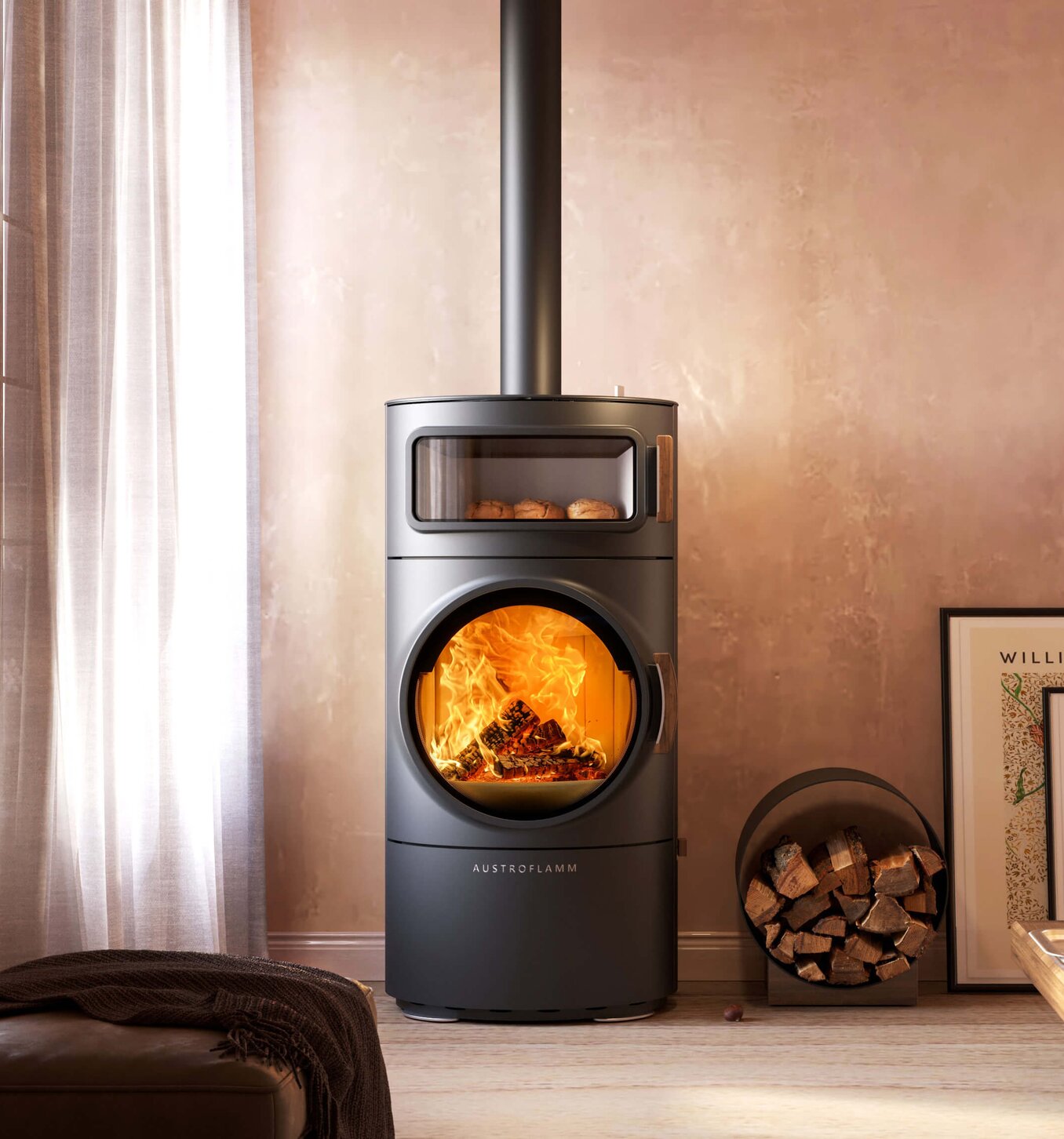




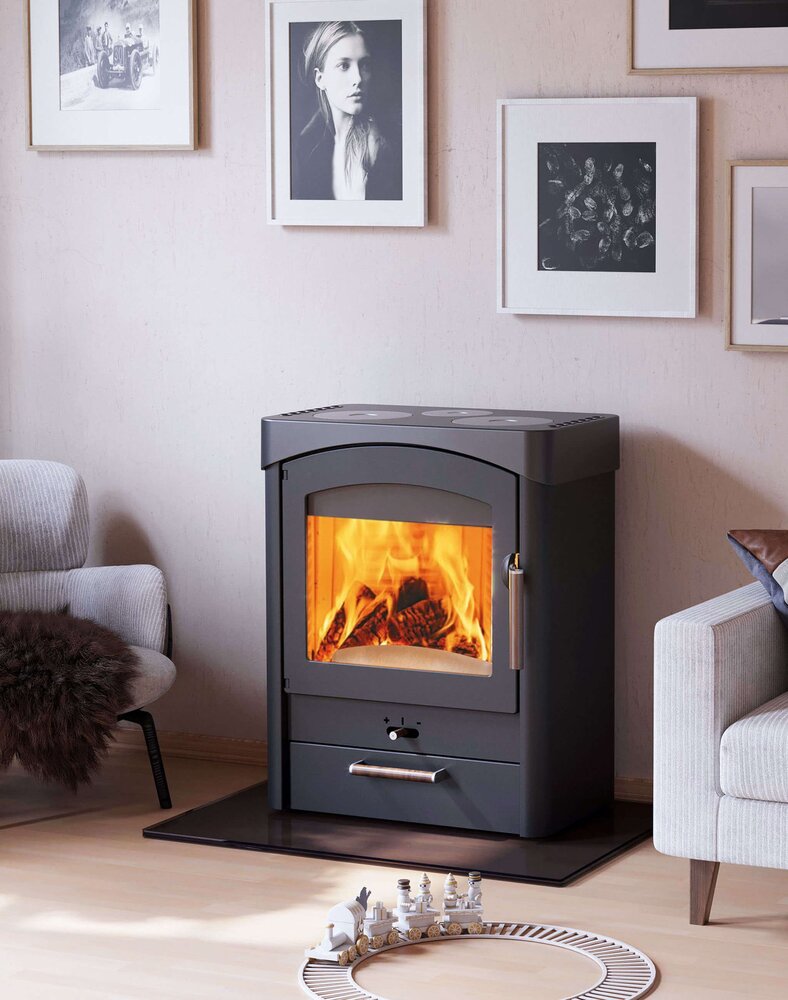


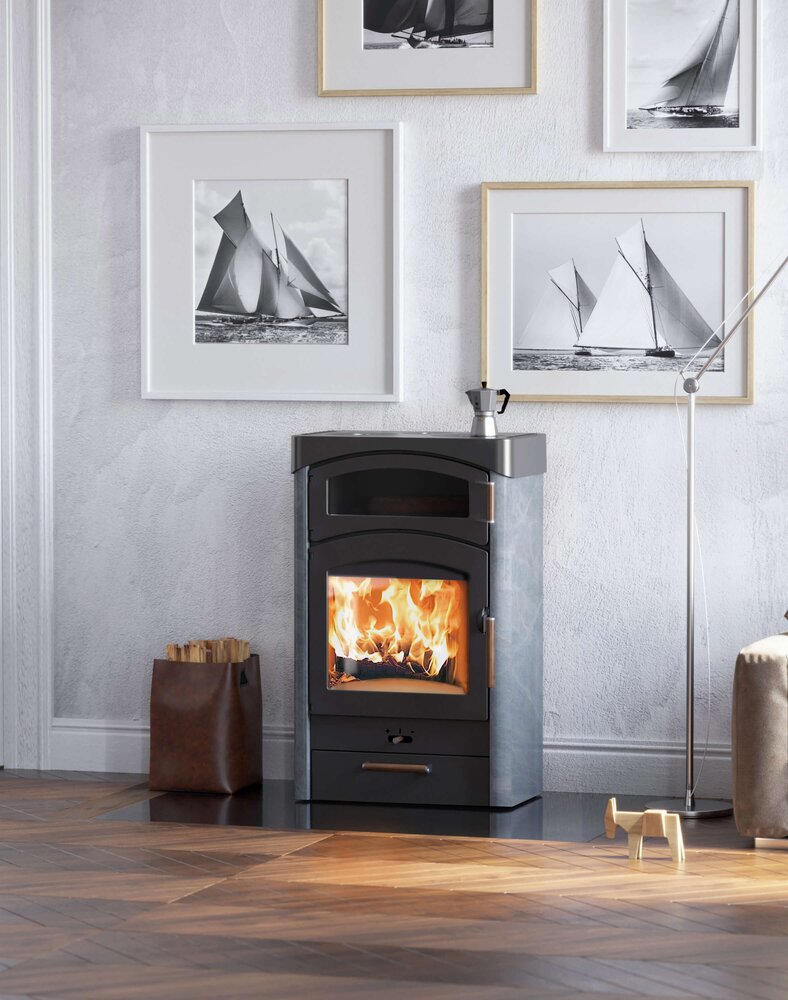


Wood burning stove with oven
Heating, keeping warm and baking in one: With the Austroflamm wood stoves with an integrated oven compartment, such as our Clou Xtra Back or Heidi Back 2.0 models, you can experience maximum comfort and functionality in your home. This way you can use the cozy warmth of the fireplace in your living room and prepare food in the integrated baking compartment. The way a log burner with oven works is like a traditional oven, in which hot air circulates evenly and ensures perfect baking results. Our wood stoves also allow you to keep food warm so that you can enjoy a hot meal at any time.
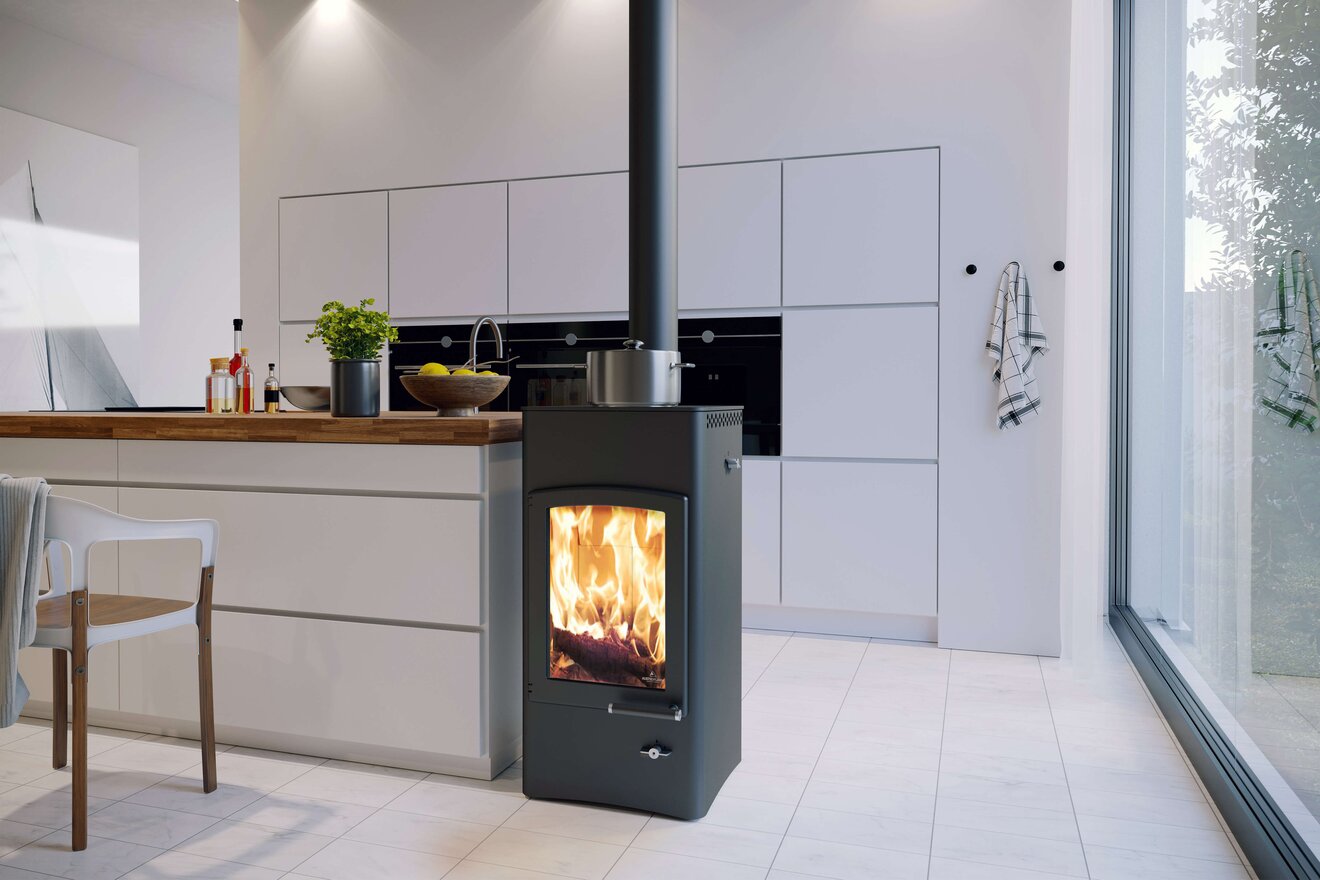
Wood burning stove with hot plate
The hotplate on a fireplace gives you the opportunity to cook independently of electricity and gas. The oven provides cozy warmth and is also ideal for cooking delicious meals. Our Clou Compact Cook, Lucy Cook, Pallas and Mo Duo Cook models are the perfect addition to your kitchen. If you don't want to miss out on the coziness factor in the living room, our cast iron Cloudi model is particularly suitable, with which you can warm up with a cup of tea on cold winter days.
Fireplace stove with hot plate and baking compartment in one
Why choose just one function when you can combine a hotplate and baking compartment in one device? With our Pallas Back you not only get the cozy warmth of a wood stove, but also three hotplates and an additional large oven. This way you can create a pleasant atmosphere and give your home a stylish, rustic charm with this multifunctional centerpiece.
Sustainable and energy efficient - heating, cooking and baking with wood
Our wood burning stoves with oven and hot plate ensure a sustainable way of heating and preparing food, because wood is a renewable fuel that is climate-friendly and at the same time creates a cozy atmosphere. With our stoves you benefit from efficient energy use in which no heat is wasted. With the new 3 in 1 combi stove Mo Duo Cook you can also flexibly decide whether to use pellets or wood, so that you can also enjoy the advantages of heating with pellets.

More about this topic
Like to know more about how you can ensure provide heating and independent cooking features at the same time?
We have put together the most important information for you in our knowledge articles.
Frequently Asked Questions About Stoves With Oven and Hotplate
How does baking in the oven compartment of a stove compare to an electric oven?
The principle is similar to the fan function of a classic electric oven: hot air circulates inside the oven compartment and surrounds the food from below, behind, the sides and, in part, from above. A large share of the bottom heat also comes from radiant heat — ideal for flatbreads and pizza. The temperature can reach up to 300 °C and is controlled through the amount of fuel and the air control, rather than by simply setting an exact temperature at the push of a button as with an electric oven.
Another difference lies in the type of radiation: a wood fire produces a different wavelength than electric heating elements. This is what creates the characteristic aroma you'll recognise from, say, wood-fired pizza.
How exactly can the temperature inside the oven compartment be regulated?
Regulating the temperature is a bit more demanding than with an electric oven: temperature depends on the amount of wood used and can't be set to an exact figure at the push of a button. It therefore takes some experience and a feel for your stove to know which amount of wood produces which temperature - after all, meatloaf needs a different temperature than pizza.
For beginners, it's a good idea to start by baking cakes or pizza, since these work well at higher temperatures and allow a bit more margin for error. As a practical aid, an oven thermometer can also be retrofitted, making it easier to keep an eye on the temperature.
Can I use the hotplate or oven without the whole room heating up significantly, for example during mild weather?
Since the hotplate and oven are directly connected to the fire itself, purely "cooking mode" without noticeable room heating isn't possible.
Does the oven compartment need different cleaning than the rest of the stove?
As with a standard stove, the flue gas paths need to be swept annually (see also your service contract). The oven compartment itself should be wiped out with a slightly damp cloth after each use.
Important: never use chemical cleaners such as standard oven cleaners. These leave chemical residue that can damage the stones inside the oven compartment.
Link to knowledge article "Clean stoves correctly"
What is the difference between a stove with a hotplate and one with an oven compartment, and which model suits which use?
The hotplate lets you cook directly on the stove's hot surface, ideal for anyone who wants to cook independently of electricity or gas - for example with the Clou Compact Cook, the Lucy Cook or the Pallas.
The oven compartment, on the other hand, is an enclosed space where you can bake, braise and keep food warm just like in a conventional oven - for example with the Clou Xtra Back or the Heidi Back. If you'd like both functions in a single appliance, you'll find them combined in the Pallas Back.
Do I need special cookware for the hotplate or the oven compartment?
No, special cookware isn't required. In the oven compartment, however, avoid cookware with plastic or wooden handles — at temperatures of up to 300 °C, these materials can discolour or become damaged. Cast iron or ceramic cookware is best suited, since it easily withstands the high temperatures.
How long does it take for the oven compartment to reach full temperature after lighting the fire?
Depending on the amount of wood used, it takes around half an hour for the oven compartment to reach full temperature. Ideally, use the first burn cycle to heat up the stove, and only start baking or cooking during the second burn cycle — this way, the desired temperature is reached more reliably.